

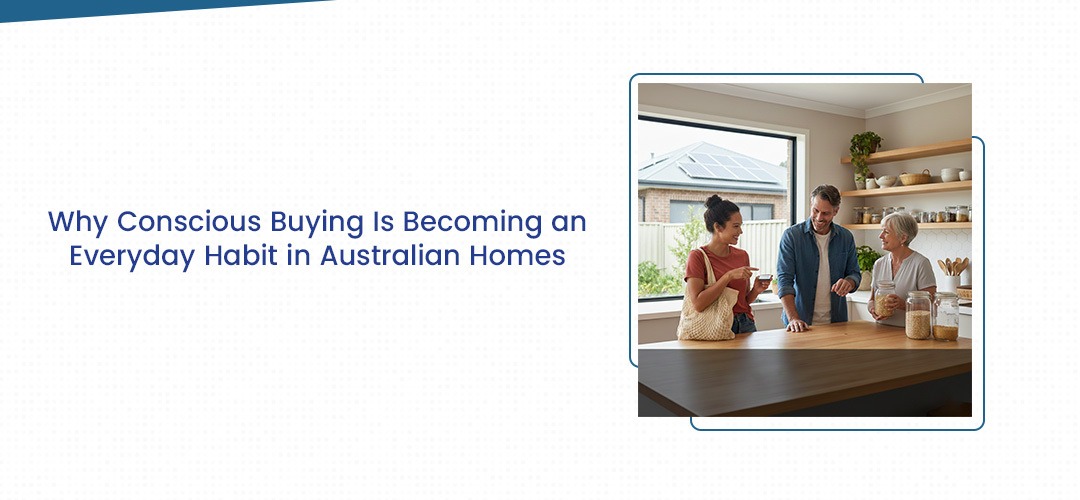

Why Conscious Buying Is Becoming an Everyday Habit in Australian Homes

Eversabz
Key Takeaways
Conscious buying in Australia is gradually shifting from an environmental ideal to a practical lifestyle choice. Families are prioritising durability, sustainability, and mindful consumption. Easier access to sustainable options and growing awareness about long term environmental impact are helping Australian households adopt thoughtful purchasing habits naturally.
For many years, purchasing decisions in Australian homes were largely shaped by necessity, affordability, and durability. Interestingly, those same values are now supporting a quieter shift towards conscious buying. People are not necessarily trying to transform their lifestyle overnight. Instead, they are asking simple but meaningful questions about what they buy, how long it will last, and what impact it might have over time.
Environmental awareness has played a significant role in this gradual transition. Conversations around climate change, waste reduction, ocean protection, and resource efficiency are now part of everyday life rather than distant academic discussions. Families encounter these topics through schools, media, and community initiatives. When individuals explore responsible options through a trusted sustainable marketplace, sustainable choices begin to feel accessible rather than complicated.
Cultural continuity is an important dimension that sometimes goes unnoticed. Practices such as repairing household items, reusing containers, valuing craftsmanship, and avoiding unnecessary waste have long been part of Australian households. Many families grew up watching earlier generations practise these habits naturally. Modern sustainability awareness simply reframes these inherited behaviours, making them more intentional rather than entirely new.
Emotional wellbeing is closely tied to this shift. People often report greater satisfaction from purchases made thoughtfully rather than impulsively. Homes feel calmer when possessions serve clear purposes and last longer. This emotional comfort reinforces mindful consumption without requiring strict rules or dramatic lifestyle changes.
Social influence also plays a subtle yet important role. Discussions about sustainability are becoming more common among friends, colleagues, and neighbourhood groups across Australia. When individuals see peers making responsible choices, the behaviour gradually becomes normalised. Over time, small changes such as reducing single use plastics, choosing durable essentials, and supporting environmentally conscious brands become part of everyday living.
Importantly, conscious buying in Australia rarely involves radical shifts. Most families begin with manageable adjustments that integrate seamlessly into their routines. The process feels organic because it builds upon existing values rather than replacing them.
Accessibility has made a noticeable difference. Earlier, finding reliable sustainable options required significant effort. Today, digital discovery has simplified the process. When responsible choices are easier to explore and evaluate, they naturally become easier to adopt.
Looking ahead, conscious buying in Australia is likely to continue evolving steadily. As sustainable products become more competitively priced and widely available, they may simply become standard options rather than specialised alternatives.
At its core, this shift reflects a thoughtful balance between tradition and modern awareness. Australian households are refining long held values in response to contemporary environmental realities, creating a lifestyle that feels both responsible and realistic.